
.png)


Foraging for Herbs
Of course, you can buy herbs - but there’s something truly special about finding them yourself. Foraging isn’t just about collecting plants; it’s a chance to slow down, notice the little details around you, and reconnect with nature. Best of all, you can bring your dogs along for the adventure, turning an ordinary walk into a treasure hunt for natural remedies but if you’ve ever tried juggling two leads while leaning over to identify a plant, you’ll know the struggle! I can’t count the number of times I’ve ended up face-planting the very herb I was looking at. But that’s all part of the joy, making memories with your pups while learning more about the plants around you.
By foraging, you know exactly where your herbs come from: fresh, organic, and picked with care. And there’s a real sense of pride in creating something healing for your dog with plants you’ve gathered yourself.
This section will guide you through the essentials: a few simple rules to keep you and your dogs safe, a Seasonal Foraging Calendar to show what’s available throughout the year, and a list of handy items to pack before you set off.
So, grab your leads, pop on your walking shoes, and get ready to explore - nature has plenty of herbal treasures waiting for you and your four-legged friends. 🐾🌿
Rules of Foraging.
You might not think that there would be rules for taking herbs from the wild but there are a few:
-
Make sure that you get permission if you are foraging on private land.
-
Learn to properly identify the herbs you intend to gather to avoid poisoning your pooch.
-
Respect local regulations and restrictions on foraging in parks or protected areas.
-
Only pick herbs that are free from pollution and contamination.
-
Harvest only what you need, taking care not to deplete the plant population.
-
Leave no trace by practicing responsible foraging and leaving the area as you found it.



Mini Seasonal Guide to Foraging
There’s something magical about walking through the seasons and noticing the herbs and plants growing all around us. Foraging connects us (and our dogs!) to nature in a gentle, mindful way — and it’s amazing how many safe, beneficial plants are right on our doorstep.
This seasonal foraging calendar is here to guide you through the year. Each season brings its own treasures — from the fresh greens of spring to the immune-boosting berries of autumn. You’ll find tips on what to look for, how each herb can support your dog’s health, and simple ways to start using what you gather.
💚 Always remember: only pick what you can confidently identify, forage responsibly, and leave plenty for wildlife.
👉 Want more seasonal foraging tips (and extra herbal know-how)? Join my free newsletter and get simple, natural ideas delivered straight to your inbox.
SPRING – Fresh Growth & Renewal
What to Forage:
-
Cleavers – gentle detox for lymph and skin.
-
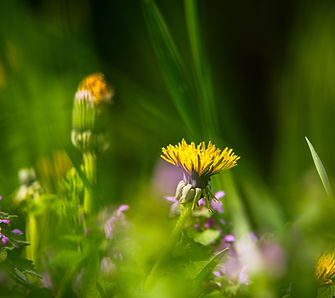
Dandelion – liver + digestion support.
-
Nettle – nutrient-rich for skin & joints.
-
Hawthorn blossoms – circulation & heart health.
-
Why Spring is Special:
Fresh shoots and blossoms bring a burst of nutrients after winter. Perfect for gently cleansing and boosting vitality.
Tips:
🌱 Pick nettles before they flower.
🌱 Cleavers make a great spring tonic — even dogs often self-select them.
For Your Dog:
Skin health, joint support, digestive aid, gentle detox.
SUMMER – Calming & First Aid
What to Forage:
-
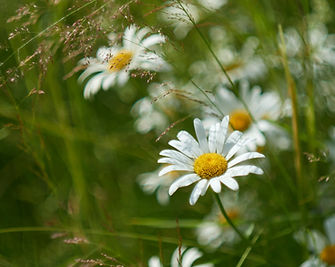
Chamomile – soothes anxiety & tummies.
-
Plantain – for bites, stings & scrapes.
-
Red Clover – skin health & detox support.
-
Yarrow – first-aid herb for cuts & bleeding.
Why Summer Helps:
Abundant herbs for calming, cooling, and quick remedies during long walks and hot days.
Tips:
☀️ Dry chamomile flowers for use year-round.
☀️ Plantain grows near paths - handy if your dog gets a sting while out.
For Your Dog:
Calming nerves, easing itchy skin, soothing wounds & grazes.
AUTUMN – Berries & Immunity
What to Forage:
-
Rosehips – vitamin C & immunity.
-
Hawthorn berries – heart health.
-
Elderberries – immune-boosting (cook first).
-
Nettle (2nd growth) – vitality & nutrients.
Why Autumn Shines:
It’s berry season! Time to stock up and strengthen immunity before winter.
Tips:
🍂 Pick rosehips after the first frost for sweetness.
🍂 Elderberries must be cooked before use.
For Your Dog:
Immune system boost, circulatory support, overall vitality.
WINTER – Resilience & Support
What to Forage:
-
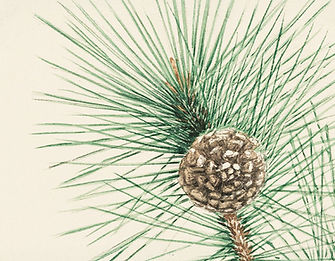
Pine needles – respiratory support (infusion).
-
Rosehips (late) – immune boost.
-
Chickweed – soothing for skin, hardy even in frost.
-
Ivy – ID only! Not edible, a reminder of what to avoid.
Why Winter is Useful:
Fewer plants are around, but the hardy ones can be powerful. Great for supporting lungs, skin, and immunity.
Tips:
❄️ Make a pine needle tea (small amounts only for dogs).
❄️ Chickweed is often still green, even in cold months.
For Your Dog:
Respiratory support, immune care, skin soothing.
Practical Items to take with you when foraging.
It is essential that you have the right equipment and supplies with you to ensure you have a successful and safe experience. Don't be like me. I seem to find herbs I want to harvest when I only have poo bags with me!!
A guide or app for identifying herbs.
A sturdy backpack to carry everything in.
Gardening gloves to protect your hands.
Pruning shears for harvesting herbs.
A trowel/fork for digging up roots.
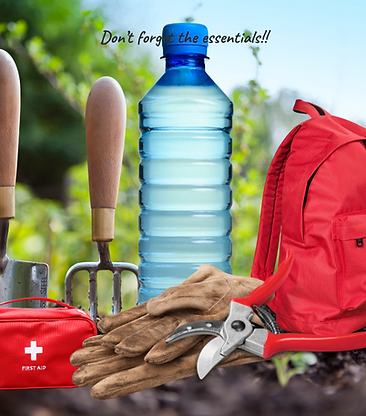
A bottle of water and snacks. Stay hydrated!
A first aid kit for minor injuries.
Insect repellent and sunscreen.
A map or GPS device to navigate trails and prevent getting lost.
Sustainable bags or containers for carrying your haul.